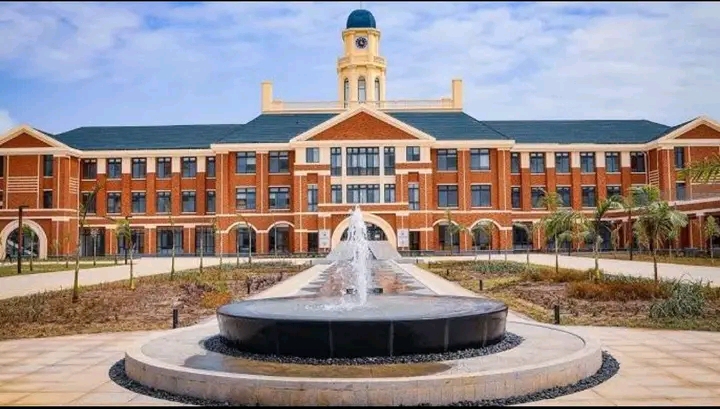
Ibadan is home to some of Nigeria’s oldest and best secondary schools, from government colleges and mission schools to private and international schools. That variety is good for parents, but it also makes choosing difficult. Which schools are worth considering, and how do you choose the best one to enroll your child?
This post lists 11 of the best secondary schools in Ibadan across different categories: public schools, mission schools, private schools, and international or British-stream schools. For each school, you will see its type, what it is known for, school fees and admission process, and what to check before you commit.
Many “best schools in Ibadan” lists online print WAEC pass rates and exact fees with no source. In our research, we found that no Ibadan school publishes its results in a form that lets you compare one against another, and some directories say the same. So instead of repeating numbers we cannot verify, this guide gives you the reputation, history, and type of each school, and then shows you how to get real results and real fees directly from the school. This post was last reviewed in November 2026, and it is a starting list, not an official ranking.

What You Will Find in This Guide
- How these schools were chosen
- The 11 Best Secondary Schools in Ibadan
- 1. The International School, Ibadan (ISI)
- 2. Government College, Ibadan
- 3. Loyola College, Ibadan
- 4. Queen’s School, Ibadan
- 5. Ibadan Grammar School
- 6. Lagelu Grammar School
- 7. St. Anne’s School, Ibadan
- 8. The Vale College
- 9. Lead British International School
- 10. Seed of Life Schools
- 11. Lifeforte International School
- What do secondary schools in Ibadan cost?
- How to choose the right school for your child
- How to check a school’s results yourself
- What to check when you visit
- Admission and mid-session transfers
- Mistakes parents make
- Frequently asked questions
How These Schools Were Chosen
We used simple, transparent criteria instead of unsourced scores:
- Reputation across several independent sources. Each school is repeatedly mentioned in school guides and public records as one of the notable secondary schools in Ibadan.
- History and track record. Many are long-established, which means they have decades of alumni and a visible record.
- A mix of types. We included public, mission, private, and international schools so that families with different budgets and priorities have options.
- Information you can verify. Where a fact is widely reported, such as a founding date, we include it. Where it is not, we say so.
This is not a league table. A school that is perfect for one child may not suit another, and school quality can change from year to year. Use this list to build a shortlist, then verify the details yourself.
The 11 Best Secondary Schools in Ibadan
| # | School | Type | Gender | Fee level (relative guide) |
|---|---|---|---|---|
| 1 | The International School, Ibadan (ISI) | International, University of Ibadan campus | Co-educational | Higher. Confirm at admission |
| 2 | Government College, Ibadan | State government, boarding | Boys | Low. Confirm with school |
| 3 | Loyola College, Ibadan | Catholic mission | Boys | Low to moderate. Confirm with school |
| 4 | Queen’s School, Ibadan | Government girls’ school | Girls | Low. Confirm with school |
| 5 | Ibadan Grammar School | Historic mission-founded school | Check with school | Low to moderate. Confirm with school |
| 6 | Lagelu Grammar School | Public school | Check current policy | Low. Confirm with school |
| 7 | St. Anne’s School, Ibadan | Anglican mission | Girls | Low to moderate. Confirm with school |
| 8 | The Vale College | Private | Co-educational | Moderate to higher. Confirm with school |
| 9 | Lead British International School | Private, British and Nigerian curriculum | Co-educational | Higher. Confirm with school |
| 10 | Seed of Life Schools | Private, Christian | Co-educational | Moderate. Confirm with school |
| 11 | Lifeforte International School | Private, premium | Co-educational | Higher. Confirm with school |
The “fee level” column is a relative guide based on school type, not a quoted price. Always ask the school for its current written fee schedule.
1. The International School, Ibadan (ISI)
The International School, Ibadan was established by the University of Ibadan in 1963 and is located on the university campus. It is a co-educational school and is often described as one of the best-known secondary schools in the city, with a strong academic reputation and a link to the university community.
- Type: International school on the University of Ibadan campus.
- Known for: Academic seriousness, a long history, and exposure to both Nigerian and international standards.
- Fees: The school gives fees at admission. Expect them to be higher than state schools, and ask for a full written breakdown.
- Admission: Check the school’s current entrance requirements, exam dates, and age rules directly.
- Things to check: Which curriculum your child will follow, how places are allocated, and whether there are priority categories. See School Official website.
2. Government College, Ibadan
Government College, Ibadan, located at Apata, is one of the oldest and most famous government secondary schools in Nigeria. It is a boys’ boarding school and is widely associated with strong academic and character traditions, and a large and influential alumni community.
- Type: State government boys’ boarding school.
- Known for: Its discipline, and a reputation for turning out well-rounded graduates.
- Fees: Public school charges are usually lower than private school fees, but the school does not always publish a schedule. Ask the school for its approved fees and levies in writing.
- Admission: Public school admission is usually through government processes. Confirm entry requirements and dates with the school and the Oyo State Ministry of Education.
- Things to check: Boarding conditions, class sizes, and the current state of facilities. Visit school site here.
3. Loyola College, Ibadan
Loyola College, Ibadan was founded by Catholic missionaries in 1954. It is a boys’ school located at Molete and is known for discipline, faith-based values, and a loyal alumni network that has supported projects at the school.
- Type: Catholic mission boys’ school.
- Known for: Moral and character formation, discipline, and strong alumni involvement.
- Fees: Mission school fees are often lower than private schools of similar reputation. Confirm the current amounts and what they include.
- Admission: Mission schools often have their own admission procedures, so contact the school for current requirements.
- Things to check: Whether the school is day or boarding, current class sizes, and results in WAEC and NECO.
4. Queen’s School, Ibadan
Queen’s School, Ibadan is a well-known all-girls secondary school established in January 1952. Its alumni have been active in supporting the school, including projects such as sickbay renovations, and the Oyo State Government has also supported building works at the school.
- Type: Government girls’ secondary school.
- Known for: A long history in girls’ education in Ibadan and an active alumni community.
- Fees: Usually lower than private schools, but confirm the current charges and any levies with the school.
- Admission: Check the school’s admission process and the state’s requirements.
- Things to check: Boarding availability, facilities, and recent examination results.
5. Ibadan Grammar School
Ibadan Grammar School was founded by the Church Missionary Society in 1913 and is widely described as the oldest secondary school in Ibadan. It has a deep history and a large alumni network. Its management arrangements have changed over the years, including the return of some mission schools to their original church bodies under the Oyo State hand-back arrangement, so check the school’s current status.
- Type: Historic mission-founded school.
- Known for: Its age, tradition, and a record of notable graduates.
- Fees: Confirm the current schedule directly, because ownership and management arrangements may affect charges.
- Admission: Contact the school for current rules, entry class, and gender policy.
- Things to check: Current management, facilities, and recent results.
6. Lagelu Grammar School
Lagelu Grammar School is a public secondary school in the Agugu area of Ibadan. It was established on 27 January 1958 by the former Ibadan District Council as a boys’ school, and it is recognized as one of the oldest public grammar schools in the city. It has produced two governors of Oyo State, and its alumni association has helped maintain its buildings.
- Type: Public secondary school regulated by the Oyo State Ministry of Education.
- Known for: Academic resilience, community involvement, and an active alumni association.
- Curriculum: It follows the state curriculum, and in senior secondary, students specialize in streams.
- Fees: Public school charges are typically modest, but confirm what applies now.
- Things to check: Current gender policy, class sizes, and facilities.
You can read more about the school’s history on its Wikipedia page.
7. St. Anne’s School, Ibadan
St. Anne’s School, located at Molete, is an Anglican girls’ school. It is often mentioned alongside Queen’s School and Louis Grammar School as one of the notable girls’ schools in Ibadan. Mission schools like this often combine academic expectations with a faith-based environment.
- Type: Anglican mission girls’ school.
- Known for: Discipline, character formation, and a long-standing reputation among families in Ibadan.
- Fees: Usually lower than comparable private schools. Ask for current charges in writing.
- Admission: Contact the school for application procedures and dates.
- Things to check: Boarding or day arrangements, and examination results.
8. The Vale College
The Vale College is a private, co-educational secondary school founded by Solemilia Educational Trust. It opened on 7 November 1994 and is located at Felele on the Express Link. It is frequently listed among Ibadan’s well-known private secondary schools.
- Type: Private co-educational school.
- Known for: A modern approach, a focus on academic standards, and a long enough history to have an established alumni record.
- Fees: Private school fees are generally higher than public and mission schools and have risen sharply this year, according to reports on private schools nationwide. Ask for a complete written schedule.
- Admission: Contact the school for entrance procedures and current availability.
- Things to check: What the fees include, extra charges, and recent results. Visit School here.
9. Lead British International School
Lead British International School is associated with Lead City University. It offers a blended British and Nigerian curriculum from preschool to senior secondary and has been described as having modern sports facilities and a secure boarding house. It is a good fit for families who want a British-style programme alongside Nigerian examinations.
- Type: Private school with a British and Nigerian curriculum.
- Known for: A blended curriculum, boarding, and links to a university.
- Fees: Fees for British-stream schools are usually higher. Request a detailed schedule that separates tuition, boarding, and other charges.
- Admission: Ask about entrance assessments, age requirements, and the application timeline.
- Things to check: Which examinations your child will sit (for example WAEC, NECO, or IGCSE), and how the school prepares students for them. Check out the School website.
10. Seed of Life Schools
Seed of Life Schools is a private Christian co-educational school group in Ibadan. It began in 1991 as a crèche and nursery and has since grown into nursery, primary, and secondary schools across four locations in the city. It is often described as offering structured discipline at a more moderate cost than premium private schools.
- Type: Private Christian co-educational school.
- Known for: Discipline and a focus on moral values, at fees that are often seen as more moderate than top private schools.
- Locations: Several branches, so confirm which branch offers secondary education and the one closest to you.
- Fees: Ask each branch for its current schedule, since branches may differ.
- Things to check: Class sizes, teacher qualifications, and recent results.
11. Lifeforte International School
Lifeforte International School is a premium private school in Awotan GRA, Ibadan. It is frequently described in school guides as one of the most upscale options in the city and, by some, among the better-known private schools in the country. It suits families who prioritise facilities and are prepared to pay premium fees.
- Type: Premium private school.
- Known for: Modern facilities and a premium learning environment.
- Fees: Expect fees at the higher end of the market. Ask for a full written breakdown, including boarding and other charges.
- Admission: Contact the school for application steps and available places.
- Things to check: Total yearly cost, boarding and transport options, and academic outcomes.
Read Also: 11 Best Secondary Schools in Nigeria.

What Do Secondary Schools in Ibadan Cost?
School fees in Ibadan vary widely by school type. Here is a realistic picture, with the caveat that exact figures are rarely published and change often.
- Public and state schools: Usually the lowest cost, with modest levies and charges. Some do not publish a fee schedule, so ask the school in writing.
- Mission schools: Often low to moderate, and sometimes comparable to state school charges, depending on the school and the year.
- Private schools: Moderate to high. Directory sites quote broad ranges, from tens of thousands to several hundred thousand naira per term for mid-range schools, but these figures are not consistently sourced.
- Premium and British-stream schools: Higher, with some quoting fees at admission only. These can run to over a million naira annually, and boarding adds more.
According to reports, many private schools in Nigeria raised fees by about 30 to 40 per cent at the start of the 2026/2027 session, so figures from last year may already be out of date. Treat any fee you read online as a rough guide, and ask for the school’s current written schedule.
How to Choose the Right School for Your Child
The “best” school is the one that best fits your child. Use these questions to narrow your list.
- What is your budget? Add up the full yearly cost, not just tuition. Include uniforms, books, transport, lunch, extra lessons, and examination fees.
- Day or boarding? Ibadan traffic can be heavy, so a school close to home may matter more than a famous one far away. Consider boarding if the commute is long.
- Which curriculum and examinations? Most schools prepare for WAEC and NECO. Some also offer IGCSE or other international options. Choose what matches your child’s plans.
- Boys’, girls’, or co-educational? Think about your child’s needs and your family’s preferences.
- What is the school’s culture? Mission schools often emphasise faith and discipline, private schools may offer more facilities, and public schools may have larger classes. Pick the environment where your child will thrive.
- How strong is the evidence? Ask for results, and check them. Do not rely on ranking websites.
- What are your child’s needs? Consider strengths, interests, learning style, and any special needs, then ask how the school would support them.
How to Check a School’s Results Yourself
Because published pass rates are often unsourced, ask the school for evidence.
- Request the last three years of WAEC and NECO results. Ask for the percentage of students who obtained five credits including English and Mathematics, since that is what most universities require.
- Look for consistency. One good year can be a fluke. Three steady years show real strength.
- Ask what “pass” means. Some schools count any pass grade. Parents usually care about credits.
- Ask about JAMB and university admissions. How many past students gained admission, and where?
- Speak to current and former parents. They can tell you about teaching quality, discipline, and hidden costs.
- Ignore precise percentages without sources. If a website does not say where the number comes from, treat it with caution.
What to Check When You Visit
A visit tells you what a brochure cannot. Here is a checklist.
- Classrooms and facilities: Condition of classrooms, laboratories, library, and sports areas.
- Class size: How many students per class, and how many teachers per subject.
- Teacher qualifications: Are core subject teachers qualified and stable, or is there high turnover?
- Safety and security: Fencing, gate control, visitor procedures, and emergency plans.
- Discipline and welfare: How bullying and misconduct are handled, and how the school supports struggling students.
- Health care: A sick bay, trained staff, and clear emergency procedures.
- Transport: School bus options, routes, and safety.
- Communication: How the school keeps parents informed and how complaints are handled.
- Boarding facilities (if relevant): Hostel conditions, feeding, supervision, and visiting rules.
Also See: 7 Best British Curriculum Secondary Schools in Nigeria
Admission and Mid-Session Transfers
Admission processes differ by school. Public schools generally follow government procedures, mission schools often run their own admission, and private schools set their own entrance tests and fee schedules. Contact each school directly for forms, dates, and entry requirements.
If your child needs to change schools in the middle of the session, many schools can take students at the start of a new term if there is space. With the second term beginning in January in many states, December is a good time to contact schools, request an assessment date, and gather your child’s records. Dates vary by state and school, so confirm the exact resumption date with the school you choose.
Parents hoping to move a child into a different school should prepare:
- The child’s most recent report cards and transfer letter
- Birth certificate or age declaration
- Passport photographs
- Medical records, if requested
- Proof of payment of fees at the previous school, if required
10 Mistakes Parents Make When Choosing a Secondary School
- Trusting ranking websites. Confirm results and fees yourself.
- Choosing on fame alone. A famous school may not suit your child’s personality or learning style.
- Ignoring the commute. A long daily journey in traffic can tire a child and hurt performance.
- Not asking for total costs. Many families are surprised by extra charges and levies.
- Skipping the visit. Photos can hide problems that a visit would reveal.
- Leaving the decision too late. Popular schools fill up, and entrance exams have dates.
- Not involving the child. A child who feels heard adjusts better to a new school.
- Overlooking safety. Ask about security, supervision, and transport arrangements.
- Paying agents or middlemen. Never pay someone who promises a guaranteed place.
- Applying to only one school. Have backup options.
Your Secondary School Decision Checklist
- Have I made a shortlist of three to five schools?
- Have I asked each school for current fees in writing?
- Have I requested the last three years of WAEC and NECO results?
- Have I visited the schools, or at least spoken to parents of current students?
- Have I checked the commute, transport, and boarding options?
- Do I know the admission dates, requirements, and documents?
- Have I talked with my child about the choice?
- Do I have a backup school?
Check Also: Top 10 Most Expensive Secondary Schools in Nigeria

Frequently Asked Questions
What is the best secondary school in Ibadan?
It depends on your priorities. The International School, Ibadan is often named among the best overall, while schools like Government College, Loyola College, and Queen’s School are known for tradition and value. The best choice for your child depends on your budget, location, curriculum, and learning needs.
Which secondary school in Ibadan has the best WAEC results?
No Ibadan school publishes its results in a form that makes fair comparison easy, and published percentages online are often unsourced. Ask each school for its last three years of results and compare them directly.
How much is secondary school fees in Ibadan?
It varies widely. Public and mission schools are usually lower, private schools are moderate to high, and international or British-stream schools are higher. Reports say private school fees rose sharply in 2026, so always ask for the current written schedule.
Are there boarding secondary schools in Ibadan?
Yes. Government College, Ibadan is a boys’ boarding school, and some private schools such as Lead British International School offer boarding. Confirm boarding availability and conditions with each school.
Which schools in Ibadan are for girls only?
Queen’s School, Ibadan and St. Anne’s School are commonly mentioned as girls’ schools. Louis Grammar School is also often cited as a girls’ school. Check the current status with each school.
Which Ibadan schools are mission schools?
Loyola College (Catholic), St. Anne’s School (Anglican), and Ibadan Grammar School (founded by the Church Missionary Society) have mission roots. Management arrangements have changed in some cases, so confirm the current situation.
How do I get admission into a secondary school in Ibadan?
Contact the school directly for forms, entrance tests, and dates. Public schools follow state government processes, while private and mission schools often set their own requirements.
Can I transfer my child to a new school in the second term?
Many schools accept transfers at the start of a term if space is available. Contact the school early, ask for an assessment, and gather your child’s report cards and transfer documents.
Is the International School, Ibadan only for university staff children?
The school was established by the University of Ibadan and is on the university campus, but admission rules can change. Contact the school to confirm who is eligible and how places are allocated.
How early should I apply?
As early as possible. Popular schools fill quickly, and entrance exams and forms have deadlines, so start months ahead of the term you want.
Are there scholarships for secondary school students in Ibadan?
Some schools, foundations, and alumni associations offer scholarships or support. For example, an alumni group at Loyola College has been reported to fund WAEC fees and UTME sponsorship for students. Ask the school about any support available.
Bottom Line
Ibadan has excellent options at every price point, from public and mission schools to modern private and international schools. The best school is the one that fits your child, your budget, and your daily routine, not necessarily the one with the biggest name.
Build a shortlist of three to five schools, ask for current fees and real results in writing, visit in person, and talk to other parents. If you are weighing boarding options beyond Ibadan, read our guide to 7 affordable boarding schools in Nigeria with good results. And if your child is already in senior secondary school, our guide on JAMB registration date and requirements 2027 will help you plan the next step.
Does your child attend one of these schools? Share your experience in the comments to help other parents.

Gloria is the founder of LearnAndEarn, where I write about personal finance, side hustles, and funding opportunities for young Nigerians navigating a tough economy on a student or entry-level budget.
I have used and tested Nigerian fintech apps including OPay, PiggyVest, Cowrywise, and Bamboo firsthand, and have helped readers track down scholarships, grants, and remote income opportunities since 2020.
My goal is simple: cut through the noise and scam-heavy corners of “make money online” content with information I personally verified. And when I am not researching the next savings app, skills to learn, or scholarship deadline, I’m answering reader questions in the comments, because I believe financial advice should be tested, not just repeated.
Got a question for me? Reach out here.