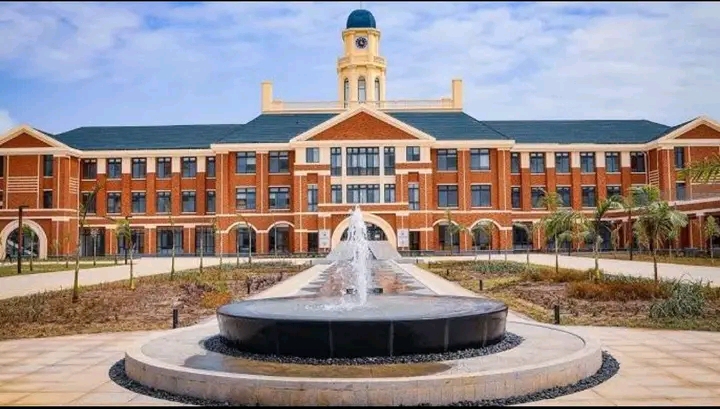
Boarding school can be a great option for a child who needs structure, fewer distractions, and a serious academic environment. But in Nigeria, many parents assume boarding schools are only for the rich. Private boarding fees at top international schools can run into millions of naira per term, and reports say many private schools raised their fees by 30 to 40 per cent at the start of the 2026/2027 session.
The good news is that quality boarding education does not have to cost millions. Some of the country’s best-known boarding schools are government-run or mission-run, with fees far below those of private international schools. This post presents 7 affordable boarding schools in Nigeria with good results, explains their fees and admissions process, and shows you how to check results and costs yourself before you decide.
We explain each school’s reputation, type, and admission route, and show you how to get official results and current fees directly from the school. This post was last reviewed in November 2026.

What You Will Find in This Post
- What “affordable” means for boarding schools in Nigeria
- How these schools were chosen
- The 7 affordable boarding schools in nigeria with good results
- 1. King’s College, Lagos
- 2. Queen’s College, Lagos
- 3. Federal Government College, Enugu
- 4. Federal Government College, Warri
- 5. Federal Government Girls’ College, Bwari
- 6. Federal Government College, Kwali
- 7. Christ the King College, Onitsha
- Federal Unity College fees explained
- How to get admission into a Federal Unity College
- How to check a school’s results yourself
- What to check when you visit a boarding school
- Hidden costs to budget for
- Mistakes parents make
- Frequently asked questions
What “Affordable” Means for Boarding Schools in Nigeria
“Affordable” is relative. A fee that is cheap for one family may be impossible for another. In this guide, we use it to mean boarding schools whose fees are far below those of private and international boarding schools, while the school still has a strong academic reputation.
Boarding schools in Nigeria broadly fall into three price groups:
- Federal Unity Colleges (government boarding schools): The lowest cost. Tuition is free, and the fees you pay cover items like boarding, uniforms, and books. Admission is competitive and is through the National Common Entrance Examination (NCEE).
- Mission and some state boarding schools: Usually more expensive than unity colleges but far below elite private schools. Fees vary a lot, so confirm them directly.
- Private and international boarding schools: The most expensive, with fees that can reach millions of naira per term. These are outside the scope of this guide.
How These Schools Were Chosen
We looked for schools that meet three simple tests:
- They are boarding schools that parents can apply to.
- They are widely regarded for academic standards and are repeatedly named among well-known schools in different regions of the country.
- Their fees are relatively low compared with private boarding schools, either because they are federal government colleges or because they are mission schools with moderate fees.
We chose schools from different regions so that parents in more than one part of the country have options. This is a starting list, not a ranking. Many other federal and state schools also do well, so use the checking methods later in this guide on any school you are considering.
7 Affordable Boarding Schools in Nigeria With Good Results
| # | School | Location | Type | How to apply |
|---|---|---|---|---|
| 1 | King’s College | Lagos Island, Lagos | Federal Unity College (boys) | NCEE |
| 2 | Queen’s College | Yaba, Lagos | Federal Unity College (girls) | NCEE |
| 3 | Federal Government College, Enugu | Enugu | Federal Unity College | NCEE |
| 4 | Federal Government College, Warri | Warri, Delta State | Federal Unity College | NCEE |
| 5 | Federal Government Girls’ College, Bwari | Bwari, Abuja | Federal Unity College (girls) | NCEE |
| 6 | Federal Government College, Kwali | Kwali, Abuja | Federal Unity College | NCEE |
| 7 | Christ the King College (CKC) | Onitsha, Anambra State | Mission boarding school (boys) | School’s own process. Confirm with the school |
1. King’s College, Lagos
King’s College is one of Nigeria’s oldest and best-known boys’ schools in Nigeria. It is a federal government college, which means it is run by the Federal Ministry of Education, and it is among the most competitive unity colleges to enter.
- Type: Federal Unity College, boys, boarding.
- Known for: A long history, strong discipline, a large alumni network, and a reputation for academic seriousness.
- Fees: Federal Unity College fees apply. See the fees section below for the approved structure, and confirm the current amounts with the school or the Ministry.
- Admission: Through the National Common Entrance Examination. Because of high demand, competition is intense.
- Things to check: Current boarding conditions, PTA levies, and the school’s recent WAEC and NECO results. Visit the School here.
2. Queen’s College, Lagos
Queen’s College is one of the affordable boarding schools in Nigeria with good results, the best-known federal government girls’ school in the country, and one of the most sought-after unity colleges. Like King’s College, it combines government-supported fees with a strong academic reputation.
- Type: Federal Unity College, girls, boarding.
- Known for: Academic tradition, discipline, and a prominent alumni network.
- Fees: Federal Unity College fees apply. Note that parents of some federal colleges have complained about PTA levies above the approved limit, so ask the school for a written breakdown and compare it with the Ministry’s approved charges.
- Admission: Through the National Common Entrance Examination, with very high competition.
- Things to check: The full list of charges, including PTA levy, and the school’s recent examination results. Visit School Official Website.
3. Federal Government College, Enugu
Federal Government College, Enugu is one of the established unity colleges in the South-East. It is often mentioned among the stronger federal colleges in the region and offers a lower-cost boarding option for families in and around Enugu State.
- Type: Federal Unity College, boarding.
- Known for: A solid academic reputation and a regional following among South-East families.
- Fees: Federal Unity College structure applies. Confirm current amounts with the school.
- Admission: Through the National Common Entrance Examination.
- Things to check: Boarding capacity, hostel conditions, and recent results. Check School Site.
4. Federal Government College, Warri
Federal Government College, Warri serves families in the South-South and is frequently named among the stronger unity colleges in that region. It offers a government-supported boarding option in the Niger Delta.
- Type: Federal Unity College, boarding.
- Known for: A strong regional reputation and a mix of students from different parts of the country.
- Fees: Federal Unity College structure applies. Confirm with the school.
- Admission: Through the National Common Entrance Examination.
- Things to check: Current facilities, feeding arrangements, and results over the last three years. Visit the School here.
5. Federal Government Girls’ College, Bwari
Federal Government Girls’ College, Bwari, in the Federal Capital Territory, is a well-known girls’ unity college. It is popular with families in Abuja and the North-Central region who want a government boarding option for their daughters.
- Type: Federal Unity College, girls, boarding.
- Known for: A reputation as one of the stronger girls’ unity colleges in the country.
- Fees: Federal Unity College structure applies. Confirm current figures with the school.
- Admission: Through the National Common Entrance Examination. Federal Capital Territory candidates may have different quota considerations, so check the admission guidelines.
- Things to check: Transport and visiting arrangements, and recent examination results.
6. Federal Government College, Kwali
Federal Government College, Kwali is another unity college in the Federal Capital Territory and is often mentioned among the better-regarded federal schools around Abuja. It gives parents another government boarding option within the FCT area.
- Type: Federal Unity College, boarding.
- Known for: A stable academic reputation in the FCT region.
- Fees: Federal Unity College structure applies. Confirm directly with the school.
- Admission: Through the National Common Entrance Examination.
- Things to check: Road access, boarding conditions, and results.
7. Christ the King College, Onitsha
Christ the King College (CKC), Onitsha is a long-established Catholic mission boys’ school in Anambra State. It is regularly mentioned among the best-known schools in the South-East and has a strong alumni network. Its fees are generally higher than those of federal unity colleges, but directories commonly place it far below elite private boarding schools.
- Type: Mission boarding school, boys.
- Known for: Academic discipline, a strong moral and faith-based ethos, and an active alumni community.
- Fees: Directories give a wide and unverified range, so ask the school for its current, written fee schedule and what each item covers.
- Admission: Mission schools usually run their own admission process, so contact the school for entrance exam dates, forms, and requirements.
- Things to check: What the fee includes (feeding, boarding, books), boarding capacity, and recent results.
Read Also: 11 Best Secondary Schools in Nigeria.

Federal Unity College Fees Explained
Fees are the main reason these schools are affordable, so it is worth understanding them properly.
- Tuition is free. Federal Unity Colleges do not charge tuition. The Federal Ministry of Education has stated this clearly while correcting a fake fee document that circulated online.
- New students pay a capped amount. The Ministry has said the highest fee for new students is ₦100,000, covering boarding, uniforms, textbooks, exercise books and other necessary items. This was raised from ₦45,000 in 2023.
- Meals can be a separate charge. A 2023 circular reportedly introduced a charge of ₦30,000 for three meals a day for boarders. Ask the school what applies now.
- PTA levies exist. The Ministry issued a circular in March 2025 that reportedly set a maximum PTA levy of ₦12,000 per term for unity colleges. Parents at some schools have complained about higher charges, so ask for the approved figure in writing.
- Fake fee documents circulate. The Ministry has warned parents about forged fee lists. Always confirm fees with the school principal or the Ministry’s official website.
These figures can change, so treat them as a guide and confirm the current amounts for the 2026/2027 session before you budget. The Federal Ministry of Education publishes approved fees on its official website.
How to Get Admission Into a Federal Unity College
Admission into a unity college is through the National Common Entrance Examination (NCEE), usually for entry into JSS1 (and in some cases SS1). Here is the general process.
- Check the registration window. In 2026, registration ran from 5 January to 6 June, and the exam held on 6 June 2026. The 2027 dates have not been announced, but a similar pattern is possible. Watch official announcements from the Ministry and the National Examinations Council (NECO).
- Register your child on the official portal. Use only the official channels and never pay agents who promise admission.
- Prepare your child. Practice past questions in English, Mathematics, quantitative and verbal reasoning, and general paper subjects.
- Choose your school preferences carefully. Competition is highest at schools like King’s College and Queen’s College, so consider listing options in different locations.
- Sit the exam and wait for results. Candidates who meet the cut-off for their chosen school and quota are admitted.
- Complete the admission and pay only approved fees. Confirm everything with the school and the Ministry.
Admission is not decided by marks alone. Unity colleges use a quota system that considers factors such as state of origin and merit. This is why a child with a good score may still be placed in a different school from the one they wanted.
How to Check a School’s Results Yourself
Because online “pass rates” are often unreliable, learn to check results the right way.
- Ask the school for results from the last three years. A good school will share WAEC and NECO results, ideally showing the percentage of students who got five credits including English and Mathematics.
- Look for trends, not one good year. A single great year can be a fluke. Three consistent years show real academic strength.
- Ask what “pass” means. Some schools count any pass grade, while parents care about credits in at least five subjects including English and Mathematics, because that is what most universities require.
- Check JAMB performance and university admissions. Ask how many past students gained admission, and into which institutions.
- Talk to current and former parents. They can tell you about teaching quality, discipline, and hidden costs.
- Be careful with ranking websites. If a site gives precise percentages but does not say where they come from, treat them as marketing, not evidence.
What to Check When You Visit a Boarding School
If you can, visit the school with your child before you decide. Here is a practical checklist.
- Hostel conditions: Cleanliness, ventilation, bed space, water supply, and toilets.
- Safety and security: Fencing, gate control, security personnel, and procedures for visitors and emergencies. Also consider the general security situation in the area.
- Feeding: The menu, the hygiene of the kitchen, and how food is prepared and served.
- Health care: A functioning sick bay, a nurse or doctor on call, and rules for emergencies.
- Supervision and discipline: The number of housemasters or matrons, the ratio of staff to students, and how bullying and misconduct are handled.
- Teaching quality: Qualified teachers for core subjects, working laboratories, and a functioning library.
- Communication with parents: Visiting days, phone rules, and how the school keeps parents informed.
- Welfare and mental health: How the school supports homesick or struggling children.
Hidden Costs to Budget For Boarders
Even when fees look low, boarding comes with extra expenses. Plan for them to avoid surprises.
- Uniforms, sportswear, and extra items on the school’s list
- Bedding, buckets, trunks, toiletries, and other boarding supplies
- Pocket money and provisions
- Textbooks, if they are not included in the fees
- Transport to and from school at the start and end of each term, and for visits
- Medical expenses, including drugs and treatment not covered by the school
- Exam fees for WAEC, NECO, and other external examinations
- Extra lessons, if your child needs them
- PTA levies and development contributions
Mistakes Parents Make When Choosing a Boarding School
- Trusting ranking websites blindly. Confirm results and fees directly with the school.
- Choosing only on price. A very cheap school may have poor facilities or supervision. Look at the whole picture.
- Ignoring the child’s preferences. A child who does not want to board may struggle. Talk honestly about it.
- Paying agents for admission. No one can buy a unity college place. Many agents are scammers.
- Not checking the fee list. Fake fee documents circulate, so confirm with the school and Ministry.
- Applying to only one school. Competition is high, so have backup options.
- Waiting until the last minute. NCEE registration and entrance exams have deadlines, so prepare early.
- Forgetting hidden costs. Budget for the full cost of boarding, not just the school fees.
- Not visiting the school. Photos and brochures can hide problems that a visit would reveal.
- Overlooking safety. Ask about security arrangements and the situation in the school’s area.
Your Boarding School Decision Checklist
- Have I confirmed the current fees in writing from the school or Ministry?
- Have I asked for the last three years of WAEC and NECO results?
- Do I know the admission route and deadlines?
- Have I visited the school, or at least spoken to parents of current students?
- Have I checked hostel, feeding, health care, and security arrangements?
- Have I added up hidden costs such as transport, uniforms, and pocket money?
- Does my child want to board, and have we talked about it?
- Do I have backup schools in case my first choice does not work out?
Also See: 11 Fully Funded Scholarships for Nigerian Students

Frequently Asked Questions
What is the cheapest good boarding school in Nigeria?
Federal Unity Colleges are generally the cheapest well-regarded boarding option, because tuition is free and fees for new students are capped. Admission is competitive and is through the National Common Entrance Examination.
How much is a unity college boarding fee?
The Federal Ministry of Education has said the highest fee for new students is ₦100,000, covering boarding, uniform, textbooks, and other necessary items. Other charges such as meals and PTA levies may apply, so confirm current amounts with the school.
Are federal unity colleges tuition-free?
Yes. Tuition is free in Federal Unity Colleges, although parents pay other approved charges such as boarding and uniforms.
How do I get my child into King’s College or Queen’s College?
Through the National Common Entrance Examination. Both schools are extremely competitive, so strong preparation, good scores, and listing alternative schools are important.
When is the NCEE 2027?
The 2027 dates have not been announced in the sources we checked. In 2026, registration ran from 5 January to 6 June and the exam held on 6 June. Watch the official announcements for the 2027 timetable.
Can my child join a boarding school in the middle of the session?
Unity colleges admit mainly through the annual NCEE, so mid-session entry is limited. Private and mission schools may allow mid-session or next-term admission if space is available, so contact the school directly.
Are boarding schools better than day schools?
It depends on the child and the school. Boarding can offer structure and fewer distractions, but it also means being away from home. A good day school can be better than a poor boarding school, so look at quality, safety, and your child’s needs.
At what age should a child start boarding?
Many Nigerian families start boarding at JSS1, around age 10 to 12, but readiness varies. Consider your child’s maturity, independence, and feelings about being away from home.
How can I verify a school’s WAEC results?
Ask the school for official results for the last three years, check how many students got five credits including English and Mathematics, and speak to current and former parents. Do not rely only on ranking websites.
Are there scholarships for secondary school students in Nigeria?
Yes, some foundations, companies, and state governments offer scholarships or support for secondary school students, though they are competitive and vary by year. Check each provider’s official page and avoid anyone who asks you to pay to apply.
Is it safe to send my child to a boarding school far from home?
Safety depends on the school and its location. Ask about security arrangements, supervision, and emergency procedures, and consider the general security situation in the area before you decide.
Conclusion
Affordable boarding education is possible in Nigeria, especially through Federal Unity Colleges and well-run mission schools. The schools in this post are a good starting point, but the best choice for your child depends on your budget, location, and your child’s needs.
Do not rely on these 7 affordable boarding schools in Nigeria with good results alone. You need to confirm fees in writing, ask for real results, visit the schools if you can, and keep backup options. Start preparing early, because admission into these schools is highly competitive.
If your child is already in senior secondary school and heading to university, read our guide on JAMB registration date and requirements 2027 to prepare for the next step.
Do you have experience with any of these schools? Share it in the comments to help other parents.

Gloria is the founder of LearnAndEarn, where I write about personal finance, side hustles, and funding opportunities for young Nigerians navigating a tough economy on a student or entry-level budget.
I have used and tested Nigerian fintech apps including OPay, PiggyVest, Cowrywise, and Bamboo firsthand, and have helped readers track down scholarships, grants, and remote income opportunities since 2020.
My goal is simple: cut through the noise and scam-heavy corners of “make money online” content with information I personally verified. And when I am not researching the next savings app, skills to learn, or scholarship deadline, I’m answering reader questions in the comments, because I believe financial advice should be tested, not just repeated.
Got a question for me? Reach out here.