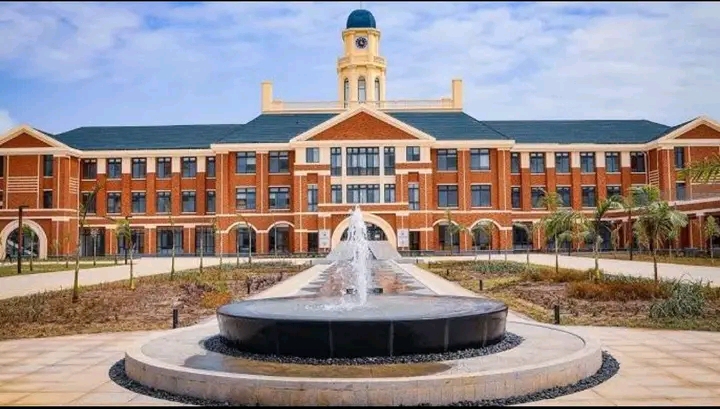
If you search for the best secondary schools in Nigeria, you will see the same names over and over. King’s College. Loyola Jesuit. Atlantic Hall. Most lists just drop these names, list a fee, and stop there. They do not tell you why a school fits one child but not another, or what to actually check before you pay a kobo.
This post answers the exact questions parents want to know before they choose a school for their child. It also gives you 11 schools across different regions, budgets, and types, so you are not stuck looking at only the schools rich families in Lagos can afford.

What Makes a School One of the Best Secondary Schools in Nigeria?
A school does not become one of the best secondary schools in Nigeria just because it has tall gates and a nice website. Here is what actually matters.
Good and steady WAEC and NECO results. One good year does not prove much. Look at the last five years. A school that keeps a high pass rate every year, not just once, is doing something right.
Enough teachers for the number of students. A class with 60 students and one teacher cannot give your child real attention. The best schools keep their class sizes small enough that teachers know each student by name.
Safety and discipline that make sense. Good discipline is not about shouting or punishing students for small mistakes. It is about clear rules that students understand and follow because they respect the system, not because they fear it.
A track record you can check. The best schools can show you where their past students are now. Are they in good universities? Do they have jobs? A school with no visible outcomes is a school with nothing to hide behind except promises.
A price that matches what you can pay without strain. The most expensive school is not automatically the best school for your child. Many parents borrow money or sell property to pay fees at schools that do not even guarantee better results than a cheaper one nearby.
Read Also: 5 Best British Curriculum Secondary Schools in Nigeria.
The 11 Best Secondary Schools in Nigeria
Our list mixes federal schools, private schools, and schools with good records outside Lagos. Each one is included for a reason, not just because it is famous:
1. King’s College, Lagos
King’s College sits on Lagos Island and has been training boys since 1909. It’s one of the oldest secondary schools in the whole country, and its age is not just history for show.
The school has produced doctors, engineers, and even past leaders of Nigeria. Because it is a federal government college, the fees stay low, usually between 50,000 and 90,000 naira per term, which is a fraction of what private schools charge.
The catch is that getting in is hard. Your child needs to pass the National Common Entrance Examination and score high, because thousands of boys apply for a small number of spaces every year.
2. Queen’s College, Lagos
Queen’s College is the sister school to King’s College, built for girls, and it carries the same weight in terms of name and history. It has strong science and arts programs and a large boarding system that pulls girls from every part of Nigeria, not just Lagos.
Parents who want their daughters to grow independence early, away from home comfort, choose this school. Fees stay close to the federal government college range, which makes it one of the few truly excellent schools that will not break your bank account.
3. Federal Government College, Sokoto
Most best school lists ignore the north almost completely, and that is a mistake. Federal Government College Sokoto is proof that the best education is not only a Lagos or Abuja thing.
It follows the same federal unity school system as King’s College and Queen’s College, which means low fees and a mixed group of students from different states and backgrounds.
If you want your child to grow up understanding Nigeria beyond one region, a unity school like this does that naturally, just by placing them in a dorm with children from other tribes and religions.
4. Loyola Jesuit College, Abuja
Loyola Jesuit is run by the Jesuit Catholic order and has built one of the strongest academic records among private schools in Nigeria. Students here regularly post high distinction rates in WAEC, and the school pushes hard on character building, not just books.
Fees are steep, often in the range of one to two million naira a term, so this is not a school for families on a tight budget. What you get for that money is small classes, discipline, and a name that opens doors when your child applies abroad.
5. Christ the King College, Onitsha
Popularly known as CKC, this school is in Onitsha, Anambra State, and has the highest WAEC records in the whole southeast. It began as a missionary school and still carries that sense of order and moral training.
What makes CKC stand out is that it delivers results close to the top private schools in Lagos while charging much less. Families who want good outcomes without the Lagos price tag look here first.
6. Rumfa College, Kano
Rumfa College is one of the answers to anyone who thinks quality secondary education only exists in the south. Located in Kano, it has a long history of producing strong WAEC results and sending students into top federal universities.
Fees are very low, often between 20,000 and 40,000 naira a term, because it is a state-run school. If you live in the north or want your child close to family while still getting a solid education, Rumfa College should belong on your shortlist.
7. Grange School, Lagos
Grange is one of the older private schools in Lagos and has kept its reputation for real academic pressure, not just fancy buildings. Teachers here expect a lot, and the school has a name for being tough on students who do not put in the work.
Fees sit around 18 to 20 million naira a year at current rates, so this school fits families who already sit at the top income bracket. Admission is also competitive, so do not assume money alone gets your child a seat in this school.
8. Atlantic Hall, Lagos
Atlantic Hall was the first British-style boarding school built in Lagos, and it still holds that pioneer status. The buildings and sports facilities are some of the best in the country.
One thing many parents do not mention enough is the social pressure. Children from very wealthy homes attend here, some with private cars and drivers picking them up.
A child who does not come from that background can feel out of place if they are not prepared for it, so talk to your child honestly before choosing this school.
9. Federal Government Girls College, Bwari, Abuja
This is a girls-only school built for girls, located in Bwari, on the edge of Abuja. It follows the same low fee structure as other federal government colleges, usually under 100,000 naira a term, while still keeping outstanding academic standards.
Many parents pick this school because it removes their daughters from city distractions while still keeping them close enough to visit on weekends. It is an ideal pick for families who want a girls-only environment without the private school price.
10. Nigerian Tulip International Colleges
This school has different branches across the states, including Abuja, Kano, and Yola, mix the Nigerian curriculum with international standards, has one of the best science labs, and has a reputation for discipline built on structure rather than fear.
They sit in the middle price range, more than a federal school but less than the top Lagos private schools, which makes them attractive to families who want a private school feel without paying elite Lagos prices.
11. Command Secondary Schools
Command Secondary Schools are run under the Nigerian Armed Forces and can be found in many states, including Kaduna, Lagos, and Port Harcourt. They are known for strict discipline built around a military-style structure, early morning drills, and clear routines.
Fees are low compared to private schools, often under 150,000 naira a term, and they accept children of both military and civilian families in most locations. If your child needs a firm structure to focus and stay on track, this type of school often works better than a school with a looser routine.
See Also: Top 10 Most Expensive Secondary Schools in Nigeria.

How Much Do the Best Secondary Schools in Nigeria Cost?
Fees change often because of inflation, so treat any number here as a guide, not a fixed price. As a rough picture for planning purposes:
Federal government colleges like King’s College, Queen’s College, and the Federal Government Girls Colleges usually charge between 50,000 and 100,000 naira per term.
State schools like Rumfa College often charge even less, sometimes as low as 20,000 naira a term.
Mid-tier private schools like Nigerian Tulip International Colleges sit between 200,000 and 600,000 naira per term.
Top private schools such as Loyola Jesuit, CKC, and similar names can charge between 500,000 naira and 2 million naira per term.
The most expensive schools in this list, such as Grange and Atlantic Hall, can reach fees that add up to well over 15 million naira a year once you include boarding, uniforms, and extra charges.
Always call the school directly before you plan your budget. Websites often show old numbers, and many schools add extra charges for uniforms, books, and boarding that are not part of the term fee they advertise.
Is a Federal Government College Better Than a Private School?
Federal government colleges like King’s College and Queen’s College often match or beat private schools in exam results, and they cost far less.
What they may lack, compared to some private schools, is newer buildings, smaller class sizes, and extra activities like foreign trips or advanced sports programs.
Private schools usually offer smaller classes and more attention per child, along with extra programs that build confidence and exposure. What they charge for that extra attention can be extremely high, and a high price does not always mean better exam results.
I will recommend that, if your budget is tight, you do not assume your child will get a worse education by attending a federal or state school. Some of Nigeria’s most successful people, including past presidents, went to federal unity schools, not private ones.
How Do You Get Your Child Admitted Into a Top Secondary School in Nigeria?
Federal government colleges require your child to sit for the National Common Entrance Examination, which is written once a year, usually in the early part of the year for entry into the following school session.
Your child needs strong marks in English, Mathematics, and General Studies to have a chance, because thousands of children compete for a limited number of spaces.
Private schools set their own entrance tests and often add an interview for both the child and the parents.
Some schools also check your child’s report card from their previous school, so keep those records neat and ready.
Also start early because many of the best private schools open their admission forms up to a year before the school session begins, and spaces fill up fast for the junior classes.
Also Read: 7 Undergraduate Scholarships in Nigeria with No Application Fee.

What If You Cannot Afford These Schools?
This part rarely gets covered anywhere else, but it matters a lot. If none of the schools above fit your budget, you still have alternatives to enroll your child.
State government schools in your own state often have good reputations locally, even if they never make national lists. Ask other parents in your area which state school has a good name for discipline and results.
Some private schools offer partial scholarships for students who score very high in their entrance exam. It costs nothing to ask the school directly if this option exists.
Community and mission schools run by churches or mosques, especially older ones, often keep fees low while still holding students to high standards, since many were built before profit became the main goal of private education.
A cheaper school with a caring, involved teacher can sometimes push your child further than an expensive school where your child gets lost in a large crowd. Do not let fee size alone decide the outcome in your mind before your child even starts.
3 Common Mistakes Parents Make When Choosing a School
1. Many parents pick a school based only on what other families in their circle are doing, without checking if that school actually fits their own child. A shy child may struggle in a school built around constant competition, while an active child may get bored in a school with too little challenge.
2. Some parents also skip visiting the school in person and rely only on the website or what an agent tells them. Photos on a website can hide a lot. Visit during school hours if you can, walk around, and watch how teachers speak to students when they think no one important is watching.
3. Another common mistake is ignoring the cost of things outside the school fee, such as transport, uniforms, textbooks, and boarding extras. These add up fast and catch many families off guard mid-session.
Check Also: Scholarships, Internships, Grants for Nigerian Students.

Frequently Asked Questions
What is the number one secondary school in Nigeria?
There is no official ranking body that names one school as number one for all of Nigeria. King’s College, Queen’s College, and Loyola Jesuit College are among the names that come up most often for strong and steady exam results.
Are federal government colleges free in Nigeria?
No, they are not free, but they charge much less than private schools, usually between 50,000 and 100,000 naira per term.
What documents do you need for secondary school admission in Nigeria?
Most schools ask for your child’s birth certificate, passport photos, the last school report card, and proof of payment for the entrance exam or admission form.
Is boarding school better than day school in Nigeria?
It depends on your child. Boarding builds independence and works well for children who need structure or live far from good schools. Day school works better for families who want to stay closely involved and for children who need to be close to home for health or emotional reasons.
Final Word
Choosing among the best secondary schools in Nigeria is not about picking the name everyone talks about; it is about matching the school to your child and your budget, then checking the facts yourself instead of trusting a brochure.
Visit the schools on this list that fit your situation, ask direct questions about class size and recent results, and talk to current parents if you can find any. That is how you make a choice you will not regret three years into your child’s school life.
Good Luck!

Gloria is the founder of LearnAndEarn, where I write about personal finance, side hustles, and funding opportunities for young Nigerians navigating a tough economy on a student or entry-level budget.
I have used and tested Nigerian fintech apps including OPay, PiggyVest, Cowrywise, and Bamboo firsthand, and have helped readers track down scholarships, grants, and remote income opportunities since 2020.
My goal is simple: cut through the noise and scam-heavy corners of “make money online” content with information I personally verified. And when I am not researching the next savings app, skills to learn, or scholarship deadline, I’m answering reader questions in the comments, because I believe financial advice should be tested, not just repeated.
Got a question for me? Reach out here.