What Can 5000 Naira Buy in Nigeria? Right now, 5000 naira in Nigeria can buy a small amount of everyday food items, such as Garri, beans, eggs, or bread, cover a few days of local transport, pay for a decent data bundle, or serve as small starting capital for a small business idea.
It will not go as far as it did some years ago, because prices in Nigeria keep changing due to inflation, but it can still cover useful things if you know exactly where to spend it and how to negotiate.
This post will break down exactly what 5000 naira can do today, using real price examples across food, transport, data, and even small business ideas, so you can plan your money wisely.
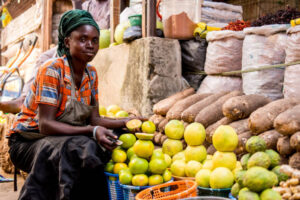
Why This Question Matters So Much Right Now?
Many Nigerians search for this exact question because prices change so often that it becomes hard to keep up.
What 5000 naira bought last year, or even a few months ago, is different from what it can buy today. Rice, garri, transport fares, and data prices have all shifted due to rising costs across the country.
Because of this, instead of giving old numbers that confuse readers, this post shows you current price ranges, explains why prices differ from state to state, and shows ways to stretch 5000 naira as far as possible.
What Affects What 5000 Naira Can Buy?
Before listing the items 5000 Naira can buy, let’s understand why the same 5000 naira note can buy different amounts depending on where and when you spend it.
Your location matters a lot. Prices in Lagos, Abuja, or Port Harcourt are often higher than prices in smaller towns or rural areas, since city life comes with higher transport, rent, and business costs that sellers pass onto buyers.
The type of market matters too. Open local markets often sell food cheaper than supermarkets, since supermarkets add extra costs for packaging, electricity, and store space.
Season and supply also play a role. Prices for items like tomatoes, pepper, or garri can rise or fall depending on harvest season, fuel prices for transporting goods, and how much of that item is currently available in the market.
Keeping these 3 factors in mind helps explain why prices mentioned in this guide are ranges, not a fixed number, because prices shift depending on where you are standing when you spend your money.
Read Also: How to Save Money on a Low Income in Nigeria.

What Can 5000 Naira Buy in Nigeria?
We categorize it into food items, transportation, data, etc. So you’ll be able to understand it better:
What Can 5000 Naira Buy in Food Items?
Food is usually the first thing people think about when asking this question, so let us break this down clearly using common Nigerian food items.
Garri
Garri remains one of the cheapest and most reliable staple foods in Nigeria. A kilogram of white garri currently costs roughly 700 to 900 naira in many markets, while a paint bucket of garri, a common local measurement, often costs around 1000 to 1500 naira depending on your state and the garri quality.
This means 5000 naira can comfortably buy about three to four paint buckets of garri, enough to last a small household for days when paired with a good soup or stew.
Rice and Beans
Rice prices have risen sharply in many parts of Nigeria, with a full fifty-kilogram bag often costing well above 6000 naira depending on whether it is local or foreign rice.
Because of this, 5000 naira cannot buy a meaningful amount of a full bag, but it can buy a reasonable smaller portion, often a few cups or a small congo measurement, enough for one or two family meals.
Beans, often eaten alongside rice or garri, currently cost around 1300 naira per kilogram in many markets.
So with 5000 naira, you could buy close to three to four kilograms of beans, which stretches much further than rice for the same amount of money, since beans are often cooked in smaller quantities per meal while still providing strong nutrition.
Eggs
A crate of thirty eggs currently ranges between 5500 and 7000 in many parts of the country, depending on your state.
This means that 5000 naira may not fully cover a full crate in some locations, but it can buy close to a full crate in lower-priced states, or a smaller quantity, such as two dozen eggs, in higher-priced areas.
Bread
A loaf of bread now costs between 1000 and 1000 naira, depending on the size and bakery.
With 5000 naira, you could buy around 4 to 6 loaves of bread, which can support a household for days of breakfast, especially when paired with items like beans or eggs.
To make this practical: imagine using your entire 5000 naira only on food for a single household meal plan. You could buy a small amount of garri, a portion of beans, and a few eggs, combining three items instead of one, which often stretches further than buying only one large item like rice alone. This kind of smart combination shopping is one of the most practical ways Nigerians make small amounts of money go further at the market.
What Can 5000 Naira Buy in Transport?
Transport is another major daily expense for most Nigerians, so understanding what 5000 naira covers here is just as important as food.
Local bus fares within cities vary widely, but a single short trip often costs between 200 and 500 naira, depending on distance and location.
This means 5000 naira could cover about ten to fifteen short local trips, which is roughly enough for a full work week of daily transport for many city workers, especially if their commute involves only one or two bus stages.
For longer distances, such as traveling between nearby towns, fares increase, sometimes reaching 2000 naira or more for a single trip.
In this case, 5000 naira may only cover about three trips, showing how quickly transport costs eat into a small budget once distance increases.
Motorcycle and tricycle rides, common in many Nigerian cities, often cost more than regular buses for short distances, meaning 5000 naira may cover fewer trips if you rely mainly on these faster but pricier transport options.
Also See: Is It Better to Save or Invest Money as a Nigerian Student?
What Can 5000 Naira Buy in Data and Airtime?
Since so much of daily life now happens online, data has become just as essential as food and transport for many Nigerians, especially students, freelancers, and small business owners managing things through their phones.
Data prices vary by network, but 1 gigabyte of data currently costs around 500 to 600 naira on most networks when bought through regular channels.
This means 5000 naira could buy close to eight to ten gigabytes of data, depending on your network and any ongoing promotions, which is often enough to last one week for moderate daily use, such as chatting, browsing, and light video use.
Some networks also offer special weekly bundles that combine data with extra perks, such as bonus video streaming data, often priced around one thousand five hundred naira per bundle.
Using 5000 naira this way could cover about three weeks of a smaller weekly bundle, which may suit users who prefer steady, smaller amounts of data rather than one large monthly purchase.
Airtime alone, without any data bundle, simply gives you 5000 naira worth of call credit, though most users find more value converting a portion of this into a data bundle, since calls per minute often cost more than the equivalent value spent on data today.
What Can 5000 Naira Buy as Small Business Starting Capital?
Five thousand naira may sound small for starting a business, but several small trade ideas can begin with this exact amount, especially when combined with basic effort and existing resources like a phone or a simple selling space.
Selling snacks or homemade food items. With 5000 naira, you could buy basic ingredients to prepare a small batch of items like chin chin, puff puff, or simple pastries, which can then be sold in small portions for a profit, especially around schools, offices, or busy roadside areas.
Reselling small items bought in bulk. Items like recharge cards, disposable face masks, or small accessories can sometimes be bought in bulk at a lower unit price, then resold individually for a small profit per item, allowing your capital to slowly grow with consistent effort.
Starting a simple phone accessory stand. With careful sourcing, some sellers begin with small phone accessories, such as chargers or earpieces bought at wholesale price, then resell them at a fair markup, using 5000 naira as a small starting stock rather than a full shop investment.
Offering a simple service instead of selling a product. Since services do not always require buying stock, 5000 naira could instead cover transport and small materials needed to offer simple services, such as basic phone repair support, small errands, or laundry services within your local area.
The key idea here is that 5000 naira works best as small business capital when paired with a simple plan, rather than trying to copy a large business model that truly needs far more starting funds.
Also Read: How to Buy Shares in Nigeria for Beginners.

What Happens If You Save 5000 Naira Instead of Spending It?
Most guides only focus on spending, but understanding the saving side of 5000 naira is just as valuable, especially for building better money habits over time.
If you saved 5000 naira every week instead of spending it immediately, you would have around 20,000 naira after one month, and roughly two hundred and sixty thousand naira after a full year, without even including any interest your money might earn in a savings account or investment plan.
This simple example shows how small, repeated amounts of money can grow into something meaningful over time, even if 5000 naira alone feels small in a single moment.
Many successful small business owners in Nigeria actually started by saving small weekly amounts like this before using the total sum as real starting capital for a bigger business idea later.
How to Make 5000 Naira Go Further
Buy in local markets instead of only supermarkets. Local markets often offer lower prices for food items, especially when you are comfortable negotiating politely with sellers.
Combine items instead of buying only one large item. As shown in the food example earlier, spreading your money across two or three smaller items often provides more balanced value than spending everything on one single product.
Buy data and airtime during promotions. Network providers often run special offers, so checking for current promotions before buying data can help you get slightly more value from the same 5000 naira.
Plan purchases instead of shopping randomly. Making a simple list before spending helps avoid impulse purchases that quietly reduce how far your money truly goes.
Compare prices before major purchases. Even small price differences between two sellers can add up significantly when working with a small, fixed amount like 5000 naira.
Check Also: How to Invest Your Money in Mutual Funds in Nigeria.
Common Mistakes People Make When Spending Small Amounts Like 5000 Naira
Understanding common mistakes can help you avoid wasting a small but useful amount of money.
Spending it all in one place without comparing prices. This often leads to paying slightly more than necessary, especially for food items where prices can vary between nearby sellers.
Ignoring smaller, practical business ideas. Many people assume 5000 naira is too small to start anything meaningful, missing simple opportunities like small-scale reselling or basic homemade snack sales.
Not tracking how the money was spent. Without a simple mental or written note of where 5000 naira went, it becomes easy to lose track of spending patterns over time, making it harder to plan future budgets confidently.
Treating small savings as pointless. Some people believe saving small amounts like 5000 naira weekly is not worth the effort, without realizing how small, consistent savings can grow into a meaningful amount over several months.
Why Prices Keep Changing and What This Means for You?
Many readers searching this question also want to understand why prices never seem to stay the same for long.
Nigeria’s economy experiences regular shifts due to factors like currency value changes, transport and fuel costs, and overall supply and demand across different regions.
This means the exact prices mentioned in this guide will naturally change over time, sometimes within just a few months.
Hence, because of this, the smartest thing to do is not to memorize the prices mentioned here forever, but to understand the general categories and smart spending habits explained here, since these principles remain useful even as specific prices continue to change.
Also Read: How to Start Investment in Nigeria with 5000 Naira.

Frequently Asked Questions
Can 5000 naira buy a full bag of rice in Nigeria?
No, a full fifty-kilogram bag of rice currently costs far more than 5000 naira in most Nigerian big markets.
However, 5000 naira can buy a smaller portion, such as a few cups or a small congo measurement, enough for a few meals rather than long-term stock.
Is 5000 naira enough to start a small business in Nigeria?
Yes, for very small, simple business ideas, such as reselling small items or preparing homemade snacks for sale, 5000 naira can serve as a starting point, especially when done with consistent effort and simple planning.
How much data can 5000 naira buy today?
Depending on your network and any current promotions, 5000 naira can buy around eight to ten gigabytes of regular data, or cover a few weeks of smaller weekly data bundles.
Why does 5000 naira buy different amounts in different states?
Prices vary due to differences in transport costs, local supply, and market type, meaning food and other items are often slightly cheaper in areas with lower transport and business costs compared to major cities.
Is it better to spend 5000 naira or save it?
This depends on your immediate needs. If you have an urgent need, such as food or transport, spending wisely makes sense. If your needs are already covered, saving small amounts consistently, like 5000 naira weekly, can build meaningful savings over time.
Conclusion
So, what can 5000 naira buy in Nigeria today? It depends heavily on how you choose to spend it, but as shown throughout this post, it can cover some days of basic food items, a good stretch of local transport, a solid data bundle for weeks of browsing, or even serve as small starting capital for a simple business idea.
The real value of 5000 naira comes not just from the amount itself, but from how wisely it is spent or saved.
Lastly, by understanding these price ranges, comparing different options before spending, and considering both spending and saving paths, you can make every 5000 naira note work much harder for your daily life and future goals.

Gloria is the founder of LearnAndEarn, where I write about personal finance, side hustles, and funding opportunities for young Nigerians navigating a tough economy on a student or entry-level budget.
I have used and tested Nigerian fintech apps including OPay, PiggyVest, Cowrywise, and Bamboo firsthand, and have helped readers track down scholarships, grants, and remote income opportunities since 2020.
My goal is simple: cut through the noise and scam-heavy corners of “make money online” content with information I personally verified. And when I am not researching the next savings app, skills to learn, or scholarship deadline, I’m answering reader questions in the comments, because I believe financial advice should be tested, not just repeated.
Got a question for me? Reach out here.